The Art of Premium Cannabis Diamonds: Potency and Purity in Concentrates
Why Concentrates Have Changed the Game
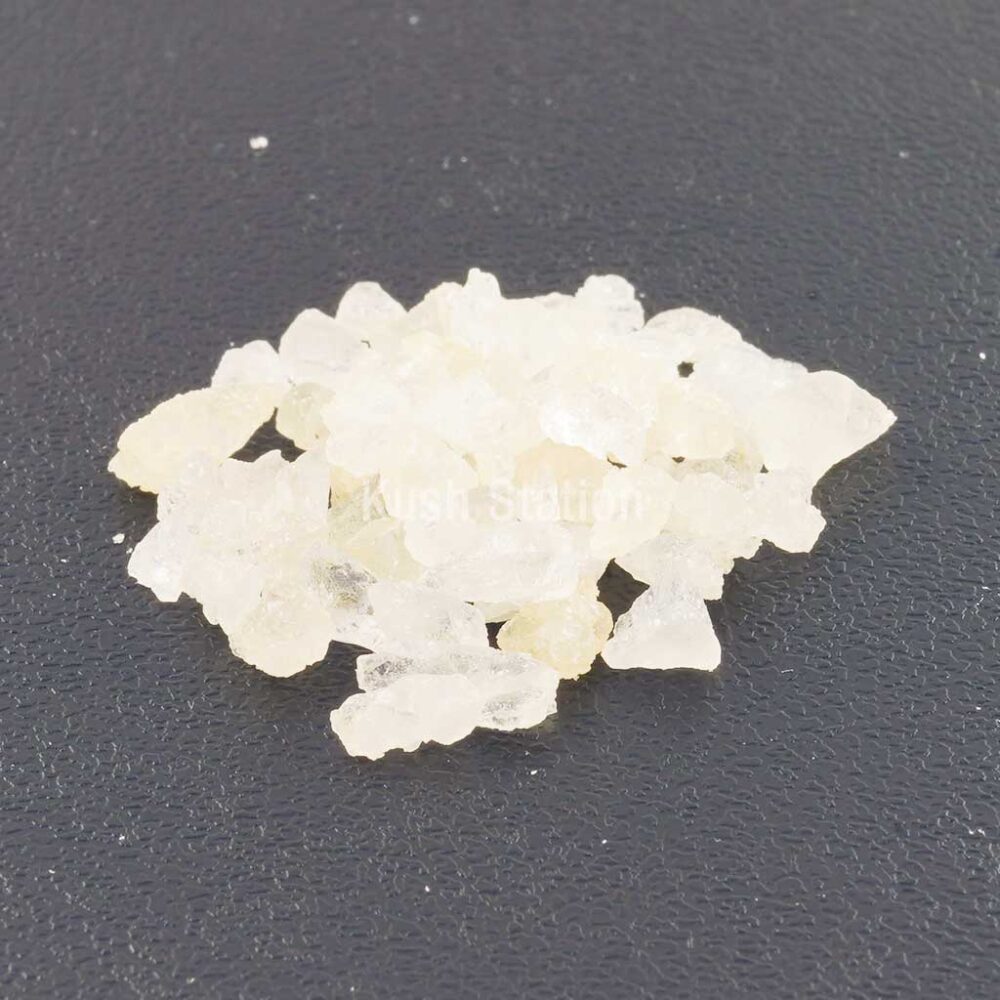
Walk into any dispensary or browse an online menu these days, and you will see a wall of jars filled with everything from sticky live resin to crumbly kief. But if you are chasing the highest potency and the cleanest experience, your eyes will eventually settle on something that looks like tiny, translucent gems. These are what the market calls premium cannabis diamonds. They are not a gimmick. They are the result of a careful extraction process that isolates the most desirable compounds from the plant, leaving behind plant waxes and other impurities.
I have been working with cannabis extracts for over a decade, and I can tell you that the shift toward crystalline concentrates is not just about aesthetics. When you see a jar of crystallized THC that resembles coarse salt or crushed ice, you are looking at a product that has been refined to a degree that was nearly impossible with older methods. The clarity and structure of these diamonds tell you something about the care that went into their production. They are not simply potent. They are pure.
What Makes a Diamond a Diamond
The term "diamond" in the cannabis world refers to a specific type of concentrate that has been processed to encourage the formation of crystalline structures. These are not the same as shatter, which tends to be glassy and brittle, or waxes that have a softer, more buttery consistency. Premium cannabis diamonds are often made by starting with a high-quality starting material, usually frozen heads or trichome-rich biomass, and then applying a cold cure technique. Cold curing preserves the delicate terpene profile that gives each strain its signature aroma and flavor, while also allowing the THCA molecules to arrange themselves into orderly crystals.
One of the most common methods for producing these diamonds involves the use of a hydrocarbon solvent like butane or hexane. The plant material is soaked or agitated in the solvent, which pulls out the cannabinoids and terpenes. The resulting liquid is then filtered and slowly evaporated, often under controlled temperature and pressure. What remains is a concentrated mixture that, with the right conditions, will begin to form crystals. This process, sometimes called turbo extraction when done under high pressure and speed, can yield a product that is over 90% cannabinoids by weight. That is a far cry from the 15-25% you might find in raw flower.
From Live Resin to Crystallized THC
Not all concentrates are created equal. Live resin, for example, is made from freshly frozen plant material that has never been dried. It captures a broader range of volatile compounds, giving it a more complex flavor. But it tends to be stickier and less stable than diamonds. Kief, the powdery resin that falls off dried cannabis, is a simpler concentrate that can be pressed into hash or used as a topping. But kief still contains a lot of plant matter and waxes. Diamonds, on the other hand, are closer to a cannabinoid isolate. They are the result of multiple purification steps that strip away everything except the target molecules.
I remember the first time I tried a sample of Jack Herer expressed as a diamond. The strain is known for its uplifting, creative effects, but the diamond version hit harder and lasted longer. The clarity of the high was remarkable. There was no fog, no drowsiness. Just a clean, sustained energy. That is the difference that purity makes. When you remove the plant fats and chlorophyll, you are left with a product that interacts with your endocannabinoid system more directly. It is a different experience.
How to Use and Store Diamonds
Handling premium cannabis diamonds requires a bit of technique. Because they are so concentrated, you only need a tiny amount. A single grain the size of a small peppercorn can be enough for a session, depending on your tolerance. The best way to consume them is through a dab rig, which heats the concentrate to a temperature that vaporizes the active compounds without burning them. A good dab rig will have a quartz or ceramic nail that can hold heat evenly. You want to aim for a temperature between 315 and 450 degrees Fahrenheit, depending on the terpene profile you want to preserve. Lower temperatures give you more flavor. Higher temperatures produce more vapor and a stronger effect.
Storage is also critical. Crystals are sensitive to heat and light. If you leave a jar of diamonds in a hot car, they can degrade into a sticky, unpourable mess. Keep them in a cool, dark place. A mason jar with a tight seal works perfectly. Some people add a small humidity pack to keep the environment stable, but that is not necessary if you consume the product within a few months. The shelf life of properly stored diamonds is surprisingly long, but the terpenes will eventually oxidize and fade.
The Role of Solvents and Safety
There is ongoing debate in the industry about the use of solvents in extraction. Some consumers worry about residual chemicals ending up in the final product. Reputable producers use food-grade hydrocarbons and then purge them thoroughly under vacuum and heat. The result is a product that contains no detectable solvent. But not all extraction methods are equal. Hexane extraction, for instance, can leave trace residues if not done carefully. That is why it is important to buy from sources that provide third-party lab testing. A certificate of analysis will show you the cannabinoid potency, the terpene content, and any residual solvents.
For medical patients, especially those using RX cannabis under a doctor's supervision, purity is non-negotiable. The last thing you want is to inhale something that was processed with industrial chemicals and not properly cleaned. That is where the diamonds grade matters. Some producers label their products as "diamonds grade" to indicate a certain level of purity and crystal size. It is not a regulated term, but it signals a commitment to quality. Always ask for the lab results if they are not published.
Comparing Diamonds to Other Concentrates
If you have tried shatter, you know it can be brittle and tends to shard when you try to break off a piece. Shatter is usually made with a solventless method or a simple butane extraction. It is potent but not as refined as diamonds. Candle wax or paraffin wax are not things you want in your concentrate, but some lower-grade products can contain waxy impurities that make them harder to vaporize cleanly. Diamonds are the opposite. They are free of waxes and plant lipids, which means they leave less residue on your nail and produce a cleaner vapor.
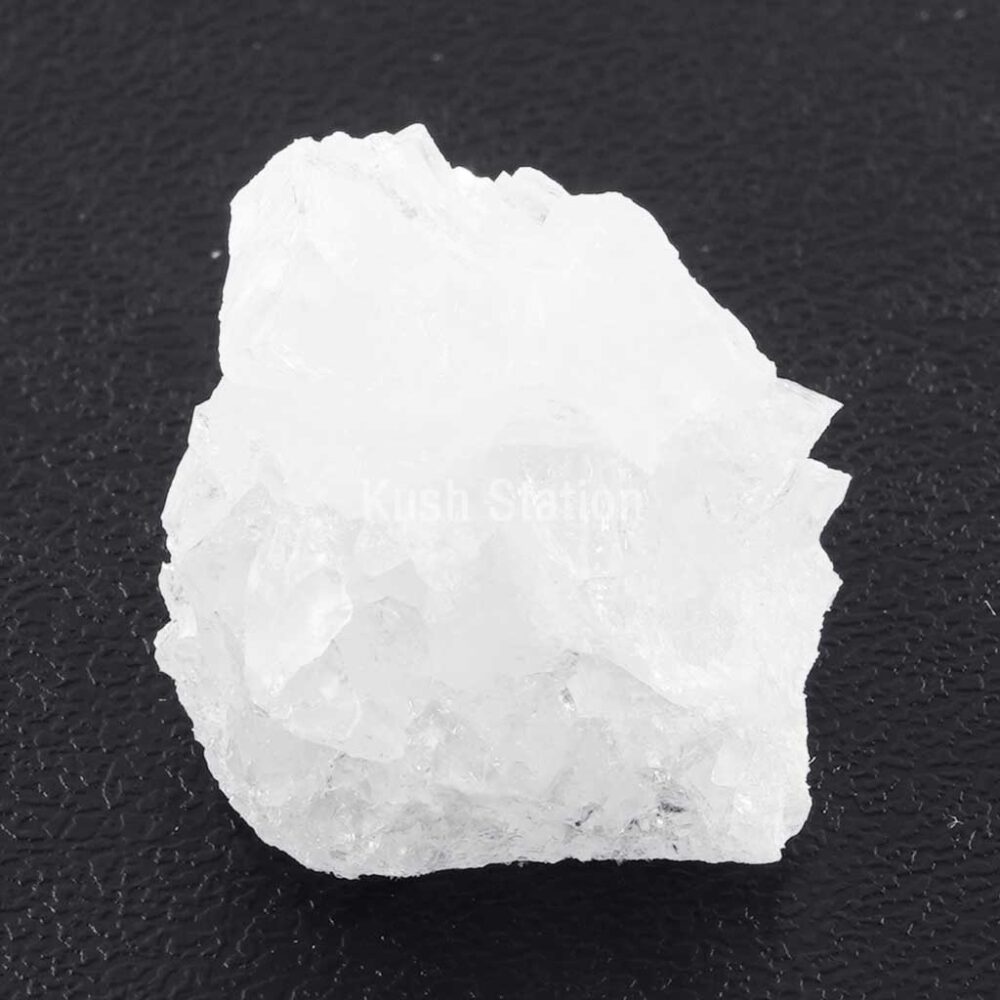
Another popular form is live resin, which is prized for its flavor. But live resin can be messy. It sticks to everything. Diamonds are much easier to handle. They do not leave sticky fingerprints on your tools. They pour like coarse sand. That makes them ideal for microdosing or for mixing with other mediums. Some people sprinkle a few diamonds onto a bowl of flower or into a joint for an extra kick. That works, but it is a bit wasteful because the heat from the burning plant material can be uneven. A dab rig is still the best way to get the full effect.
A Note on Bulk and Cost
Because diamonds are so concentrated, they can be more cost-effective in the long run than flower or even other concentrates. A single gram of premium cannabis diamonds can contain as much total cannabinoids as an eighth of high-grade flower. That means you use less material to achieve the same effect. For heavy users, buying in bulk from a reputable source can save a significant amount of money. Just make sure you have the proper storage to keep the crystals fresh. A vacuum-sealed bag or a mason jar with a gasket lid will work.
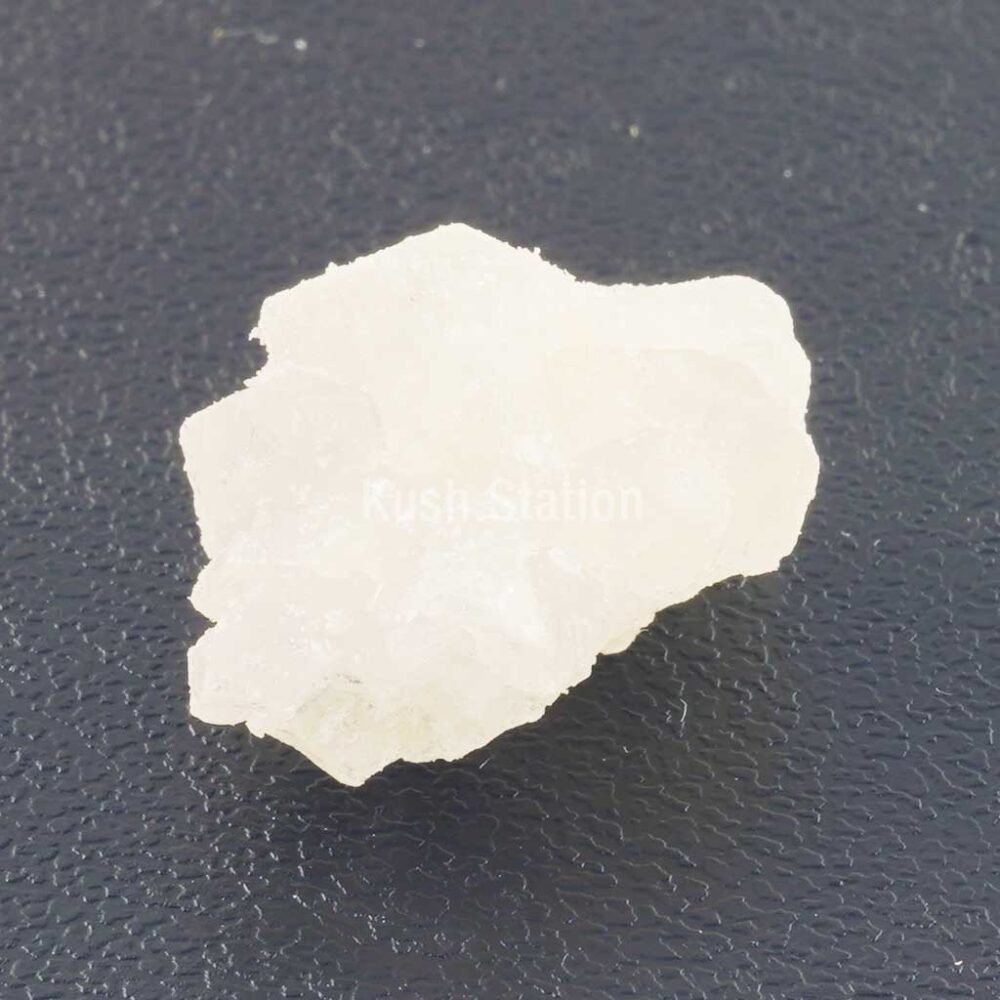
One thing I have noticed over the years is that the price of diamonds has come down as production methods have improved. What was once a boutique luxury item is now accessible to most enthusiasts. But there is still a wide range in quality. Some products labeled as diamonds are actually just crushed kief or poorly formed crystals that contain a lot of plant material. True diamonds should have a consistent, crystalline appearance and a potency that matches the lab results. If you see a product that looks like fine sand but costs the same as premium flower, something is probably off.
Personal Observations on Flavor and Effect
I have sampled diamonds from dozens of producers, and the differences can be subtle or dramatic depending on the starting genetics and the extraction method. A well-made diamond from a strain like Jack Herer will have a bright, citrusy aroma with notes of pine. The flavor on the exhale is clean and smooth, with none of the harshness that sometimes comes from lower-grade concentrates. The effects are almost immediate. You feel a wave of clarity and focus that builds into a full-body relaxation. It is not the same as eating a cannabis edible or smoking a joint. It is more direct, more precise.
Some people compare the experience to eating a Pop Tarts versus a gourmet pastry. The Pop Tarts is sweet and satisfying, but the gourmet pastry has layers of flavor and texture that reward your attention. Diamonds are the gourmet pastry of the cannabis world. They reward careful temperature control and mindful consumption. If you rush, you will miss the subtleties.
I have also noticed that diamonds tend to produce less of that heavy, sedated feeling that can come from high-THC flower. That might be because the absence of plant compounds like chlorophyll and flavonoids changes the way the cannabinoids interact with your body. Or it might be that the purity allows your system to process the THC more efficiently. Whatever the mechanism, the result is a cleaner, more functional high. That is why many medical patients and experienced recreational users are gravitating toward premium cannabis diamonds as their go-to concentrate.
Final Thoughts on the Future
The concentrate market is still evolving. We are seeing new techniques like turbo extraction and cold cure becoming more mainstream. The demand for high-purity, terpene-rich products is driving innovation. I expect that in the next few years, we will see even more refined forms of crystallized THC, possibly with specific cannabinoid ratios tailored to different effects. The days of guessing what is in your concentrate are ending. Lab testing and transparent labeling will become the norm.
If you are new to diamonds, start with a small amount. Use a dab rig with a temperature controller. Pay attention to the flavor and the effects. Compare different strains and producers. You will quickly develop a sense for what quality looks and tastes like. And once you have experienced the clarity and potency of a true diamond, it is hard to go back to anything less.